
Best CCTV Placement for Offices, Warehouses & Retail Stores
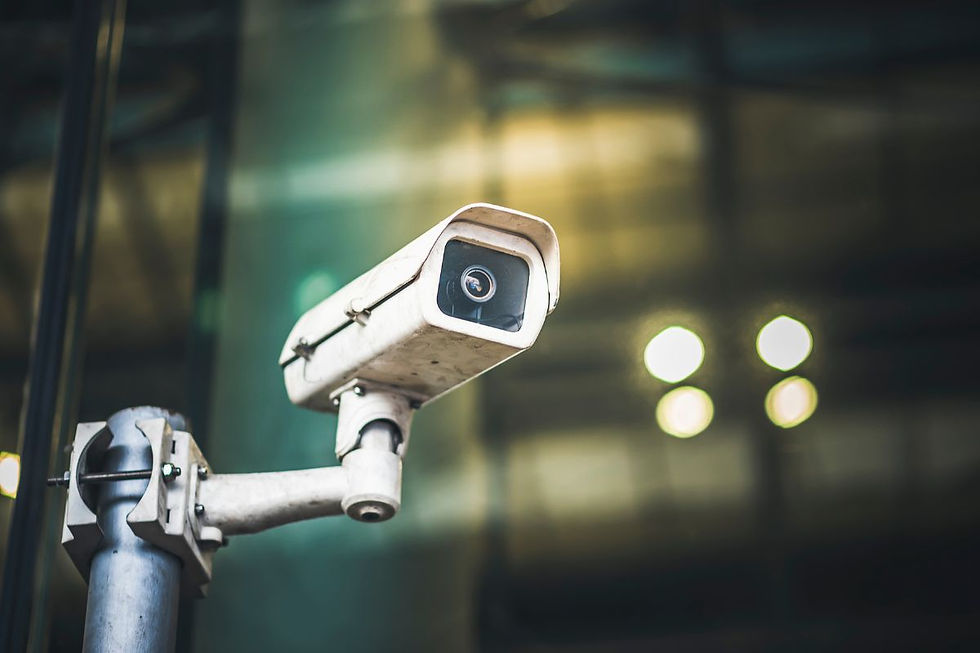
The most common mistake in business CCTV is assuming that buying high-quality cameras is enough for their security needs. The reality is that proper camera placement gives you more.
This article provides you with everything you need to know about the Business CCTV Placement and provides brief information about the best Locations for CCTV Cameras.
Why Placement is More Important for Business CCTV Than Camera Type
Business CCTV not only records video. It is used to protect your property from various risks and is useful in many ways in everyday company activities.
Improper placement may lead to dead zones and blurry footage
Camera angles can either help identify someone or fail to capture the action
Having an overlapping view provides better security in case something happens
Proper placement is the best prevention and creates more deterrence.
Even among professionals, it is known that the right placement matters more than having the best camera.
Ideal CCTV Camera Installations for Any Company
But before delving into specific industries, here are some of the best Locations for CCTV Cameras in any company.
1. Entrances & Exits
All persons coming to and going out of your establishment should be recorded.
Face capture cameras facing the interior
No backlight from doors or windows
Use high-resolution cameras
2. Reception Area/Waiting Room
The reception/waiting area handles visitors and customers.
Monitor activities and their conversations
Record any disputes or accidents that happen
Keep surveillance discreetly without intruding on customers
3. Hallways/Movement Paths
These areas showcase the movements of both employees and visitors.
Observe movements within the company
Detect abnormal activities or behaviours
Connecting movement patterns from other areas
4. Parking Lots/Outdoor Spaces
Surveillance isn't just restricted to the interior of buildings.
Vehicle surveillance
Guard entry points to the premises
Night vision or infrared cameras for dim areas
5. Highly Restricted Areas
Any business would have areas that require special attention.
Areas such as server rooms
Safes or vaults and storage
Inventory and other valuable records
CCTV placement for Offices
A careful consideration is required when choosing offices. The idea is to have monitoring without interfering with staff comfort.
Key Areas to Monitor
Entrances/Exits
Reception area
Corridors/Stairways
Server rooms/IT departments
Parking/building exterior
Important Points for Camera Installation in Offices
Mount the camera at about 8–10 feet off the floor
Do not place the cameras pointing at the window
Use dome cameras indoors
Overlap between cameras should be minimal
Offices need smart business CCTV placement for more control and accountability. Businesses need to monitor access control, track visitor movement, and protect sensitive data zones. Vizdomtech's well-planned setup supports both security and operational efficiency.
CCTV Placement in Warehouses
Warehouses are large, complicated facilities with significant risk.
Important Areas to Monitor
Loading docks
Inventory corridors
Packaging and shipping areas
Boundary fences
Vehicle storage
Top Camera Installation Locations in Warehouses
1. Loading Docks
It is where materials are loaded and unloaded. Camera installation in multiple angles, high definition cameras capturing both the vehicles and people
2. Corridors and Shelves
This provides clear visibility between shelves and prevents spots caused by shelving. Shelving systems in warehouses can create hidden spaces, making camera coverage essential.
3. Entrances and Exits
Business CCTV placement monitors employee movement and prevents internal theft. It captures the individual's face properly.
4. Open Spaces
Best Locations for CCTV Cameras work best with wide angles. Fewer units cover large areas.
Installation Considerations for Warehouses
Install cameras at 12-16 feet in height for coverage
PTZ cameras for wide spaces
Infrared cameras for low-light conditions
Diagonal installation of cameras
Warehouses need strategically placed CCTV cameras to track inventory mismanagement and operational errors. A well-designed CCTV layout helps reduce losses and improve workflow visibility.
CCTV Placement in Retail Stores
It is the most dangerous place because of its public nature and the availability of products.
Key Zones to Install
Entry and Exit points
Point of Sale area
Areas with high-value products
Aisles & Corners
Stores and parking lots
Good Camera Installation Zones in Retail Stores
1. Entry Camera
Should capture each entrant
Face-level focus is necessary
Must be free from glare
2. Check Out Counters (POS)
Monitors sales
Helps to stop fraud
Makes employees responsible
3. High Value Product Areas
Electronics, jewellery, etc.
Close-range cameras should be used
Attention should be focused on the hands
4. Aisles and Blind Spots
Should cover corners and blind spots
One camera alone cannot help
Dome cameras should be used
5. Stores
For employee movement
Prevents theft from within
Best Camera Placement Tips for Retail Stores
Mount cameras at 9-12 ft above the floor
Use dome cameras indoors
Don’t just install cameras in the ceiling that capture top views only
Test the cameras when people are at their maximum
Retail stores need smart CCTV placement to reduce theft and errors. A proper setup helps you overcome shoplifting and monitor staff activity. Business CCTV camera placement also improves customer safety and helps handle disputes with evidence.
Conclusion
A properly designed surveillance system ensures that every important area is covered, there are no blind spots, high-quality recordings are captured, and the system integrates seamlessly into daily business activities.
An office needs a balanced monitoring system; a warehouse needs broad coverage; and a retail store should focus on precise surveillance in high-risk areas.
Once you have an effective strategy and professional installation, your system will become not only a tool for surveillance but also a valuable resource for your business.
Frequently Asked Questions
Q1. What is the most crucial aspect of Business CCTV Placement?
Ans: CCTV placement is far more important than the cameras themselves. It ensures clear recordings, eliminates dead spots, and enhances security coverage.
Q2. Where should CCTV cameras be installed within an office building?
Ans: Important installation areas in offices include entranceways, receptions, hallways, data centres, and parking lots to maintain the balance and avoid disrupting office routine.
Q3. What are the ideal positions for CCTV cameras in warehouses?
Ans: Loading bays, storage passages, entry/exit points, and operation floors are the most significant positions for CCTV cameras in warehouses.
Q4. At what height should CCTV cameras be placed in retail stores?
Ans: In most cases, the best height of retail store CCTV cameras is about 9-12 feet above the ground level.
Q5. Why is CCTV placement necessary for business security purposes?
Ans: Effective placement of CCTV cameras is essential for ensuring clear images, deterring crimes, conducting investigations, and maintaining operational control within the business entity.


Comments