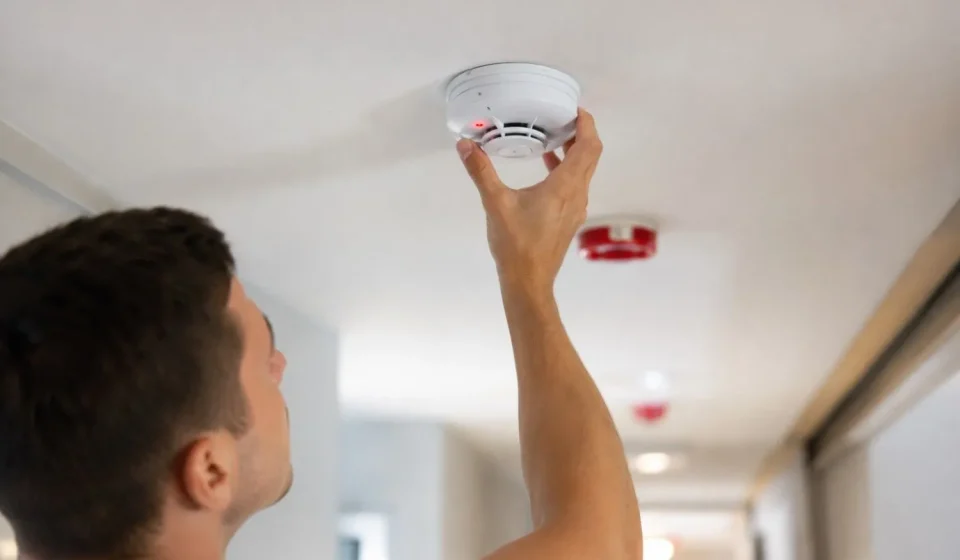

Have you ever experienced this? Your fire alarm went off for no reason, and instead of grabbing your things and heading outside, your first thought was “probably just glitching, like always”? Here I got you, that exact problem. Sometimes false alarms become normal, and that’s exactly what makes a fire alarm dangerous. A panel that cries like a wolf every week brainwashes everyone in the building into ignoring the alerts until the day something goes wrong. If that sounds familiar, it’s a sign that your fire alarm system needs an upgrade, and that’s not optional.
Here’s the critical thing nobody tells a building owner: fire alarms don’t fail all at once; they never shut randomly on a day. They fail slowly and quietly, giving one warning sign at a time, until one day the panel no longer responds. And by then, you’re stuck with an emergency replacement, a fire watch bill, and an inspector standing at your door with a red tag. Let’s talk about what to watch for, so you will never end up in that spot.
Why Old Fire Alarms Became a Problem?
Most commercial fire alarm systems are designed to last 15 to 20 years. That sounds like a really good time, but buildings change fast: new tenants move in, floor plans get remodelled, extra rooms get added, and the alarm system doesn’t always keep up. You should know that manufacturers stop making parts for older panels after a certain point, and you have a system that’s “working,” but you never know if you’re one bad day away from it letting you down.
You know what the scary part is? A system that looks completely fine on the surface and is still years past its safe working life underneath.
1. Your Panel Uses Parts Nobody Makes Anymore
This is the biggest red flag, and it’s more common than people think.
- Manufacturers eventually stop producing older control panels, detectors, and pull stations.
- When something breaks, your technician has to hunt for used or refurbished parts instead of new ones.
- Repairs take longer, cost more, and sometimes just aren’t possible at all.
If your maintenance company has ever said, “we can’t get that part anymore,” that’s not just a small inconvenience; it’s your system telling you it’s time for a fire alarm system upgrade.
2. Inspections Keep Turning Into a Headache
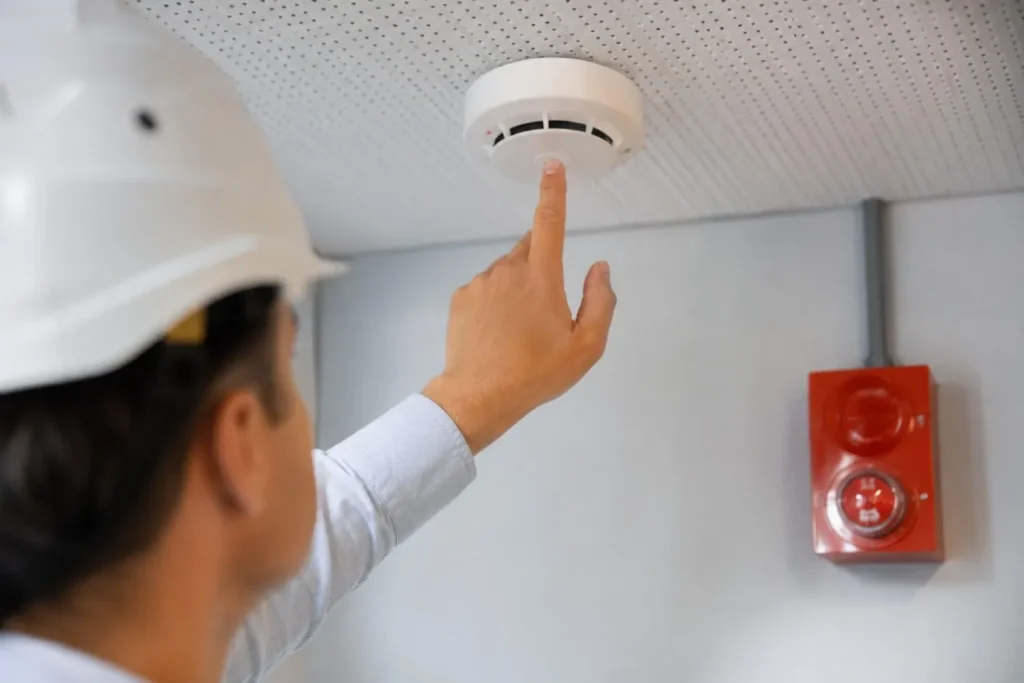
Fire alarm inspections are usually held to prove that your system will actually work when it matters. If every inspection results in a list of failed devices, communication faults, or “temporary fixes,” something bigger is going on beneath the surface.
Common signs during inspections include:
- Detectors that trigger late or not at all
- Notification devices (horns, strobes) that don’t sound properly
- Wiring or communication loops that keep dropping out
- The technician needing repeat visits to get a passing result
A system that constantly struggles to pass isn’t broken by bad luck; it’s aging out.
3. It Can’t Talk to Your Other Building Systems
Modern buildings don’t run on one system anymore. Cameras, access control, mass notification, and building automation now work together, and your fire alarm should be part of that conversation. Older panels usually can’t connect to any of it.
That means:
- No automatic door unlocks during an evacuation
- No live alerts sent to phones or building management software
- Security and fire teams working off separate, disconnected information
Do you actually need your fire alarm connected to everything else? Yes, especially in larger commercial spaces. When systems talk to each other, people get out faster, and responders know exactly what’s happening before they even arrive.
4. You’re Calling for Repairs All the Time
One or two service calls a year is normal. A service call every other month is not.
Aging systems tend to develop a pattern:
- Random trouble signals with no clear cause
- Detectors that need constant resetting
- Battery or power issues that keep coming back
- The same “fix” needing to be redone again a few weeks later
Every one of those calls costs money, and they add up fast. At some point, a full fire alarm installation actually costs less over time than patching the same ageing system repeatedly.
5. Your Building Has Changed, But Your System Hasn’t
You know how many businesses expand a warehouse, add a mezzanine, knock down a wall, or convert storage space into offices without even checking whether the fire alarm coverage matches the new layout?
Watch for:
- New rooms or additions with no detection coverage
- Blind spots where alarms clearly weren’t extended
- A system designed for a much smaller or differently shaped building
A fire alarm isn’t “one size fits forever.” If your space changes, your system needs to change with it.
So, When Should You Actually Replace Fire Systems?
- How old is the panel, realistically?
- How often are you calling for repairs?
- Has the building layout changed since installation?
- Are inspections getting harder to pass each year?
If you’re answering “yes” to more than one of those, don’t wait for a failure to decide for you. A planned upgrade is almost always cheaper, and far less stressful, than an emergency one.
Conclusion
If any of these signs sound a little too familiar, it might be time to stop patching and start planning. VizdomTech has been helping businesses across Edmonton with practical, code-compliant fire alarm installation and CCTV integration that actually fit how the building is used today, not how it looked when the system was first installed.
From spotting hidden coverage gaps to handling the full installation, the team keeps things straightforward, honest, and built around what your property actually needs. If your Edmonton business is due for a check-up, VizdomTech is one call away from giving you real peace of mind.
FAQs
Q1. How do I know if my fire alarm system needs an upgrade?
Ans: It will show you frequent false alarms, failed inspections, obsolete parts, and a system older than 15-20 years are all clear signs that it’s time to consider an upgrade.
Q2. What is cheaper: repair or replace an old fire alarm system?
Ans: Constant repairs on an aging system usually cost more over time than a planned replacement. Emergency replacements after a failure cost even more.
Q3. How long does a fire alarm installation usually take?
Ans: It depends on the building’s size and complexity, but most commercial installations are scoped out in advance so operations aren’t disrupted for long.
Q4. Can I upgrade just part of my fire alarm system instead of the whole thing?
Ans: Yes, a phased upgrade is possible, but a professional should evaluate whether partial upgrades will still meet current code requirements.
Q5. Does VizdomTech handle both fire alarm and security system installation?
Ans: Yes. VizdomTech works across fire alarm systems and CCTV/security installation for businesses throughout Edmonton, helping properties stay protected from every angle.